Portland police will begin flying drones this spring under a yearlong pilot program that the City Council approved on Wednesday, April 5.
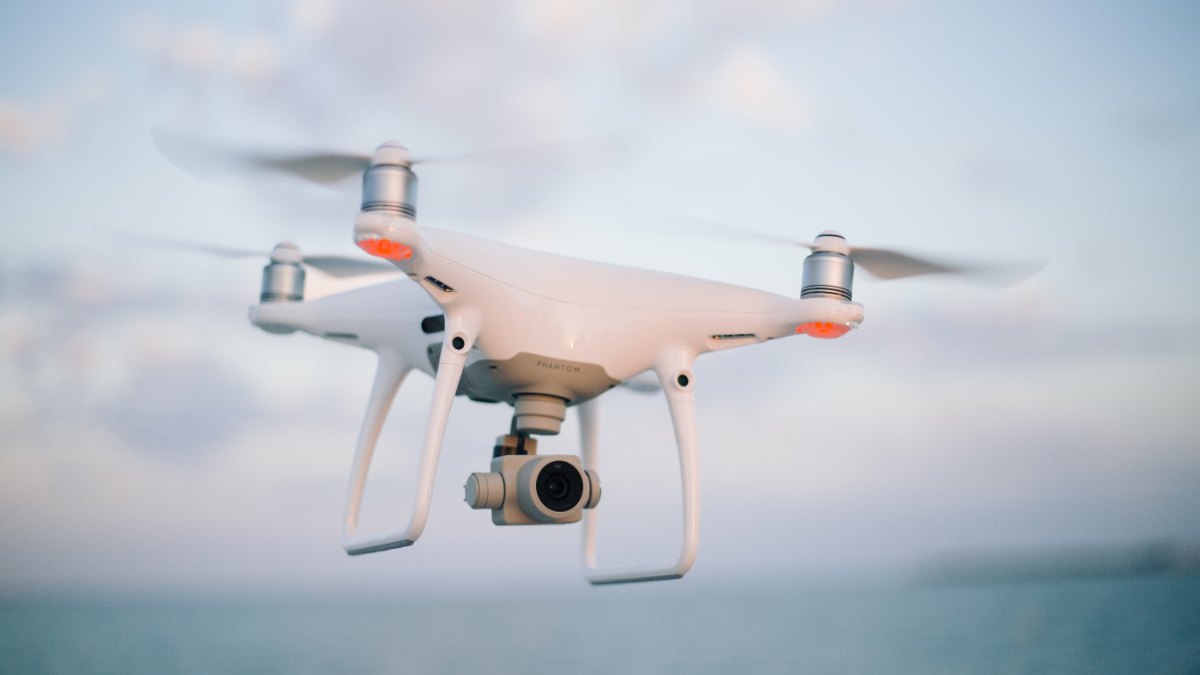
The council voted 5-0 for Ordinance 191224, which lets the Portland Police Bureau buy drone equipment for no more than $80,000 from its 2022-23 budget. The bureau told the council it wanted up to 12 drones. The bureau already owned one drone, a DJI Phantom 4 Pro bought in the 2019-20 budget year, but had never put it into service, according to the ordinance.
Police Chief Chuck Lovell said in a statement after the vote that the bureau is looking for new ways to work more efficiently during what he called “this critical staffing period.”
Who will fly the drones, and for what
Two units will run the program, according to the bureau’s announcement as reported by KOIN: the Traffic Division and the Metropolitan Explosive Disposal Unit.
- Traffic Division: documenting major crash scenes and vehicle damage, studying traffic patterns on high-crash streets, and supporting search and rescue operations.
- Explosive Disposal Unit: looking at suspicious items from a safe distance, checking for secondary devices, supporting tactical incidents when a commander asks, and helping during disasters such as building collapses.
The drones will carry “City of Portland” or “Portland Police” markings. The bureau said it would begin training officers as licensed drone pilots within the next 60 days.
What the drones cannot be used for
The limits come mainly from the bureau’s own drone policy and the ordinance, which states that harassment and crowd management are prohibited. Under the policy, police drones may not be used for:
- random or mass surveillance
- facial recognition
- targeting people because of protected traits such as race or religion
- harassment or intimidation
- crowd control, except during a critical incident where lives are at risk
- carrying weapons, which state law also bans under ORS 837.365
State law sets the outer boundary. Oregon’s drone statute, ORS 837.310 to 837.345, bars police from using drones except with a warrant, in an emergency with probable cause, with written consent, for search and rescue, to reconstruct a crime or crash scene, or for training. Information collected in violation of those rules cannot be used as evidence.
Drones are already common in the region. The Oregonian reported that nearly every law enforcement agency in the Portland metro area already uses them, according to police. The paper also cited the nonprofit DRONERESPONDERS, which puts the number of U.S. public safety agencies using drones at about 5,000.
Update, Oct. 17, 2026: What happened next
The pilot was set to start on June 13, 2023, with seven drones and 16 certified pilots, KPTV reported. The bureau’s 2024 report says the pilot concluded in April 2024. Since then, city records show the program has grown well past its first year:
- Sept. 4, 2024: The council voted 5-0 for Ordinance 191882, turning the pilot into a full program available to all three precincts and all shifts. It allowed up to $98,000 for equipment and training, which the city’s budget office said would come from asset forfeiture money in the bureau’s special revenue fund.
- 2024: Police flew about 211 missions, according to the bureau’s 2024 drone report. Flights averaged about 13 a month until November, when the bureau expanded the allowed uses and moved drone operations into the precincts, and about 40 a month after that. The Traffic Division reported spending about 80% less time mapping crash scenes.
- 2025: Flights jumped to 774, or about 65 a month, the 2025 report shows. Of those, 516 (67%) were exigent calls, meaning requests from patrol or tactical teams during high-risk or fast-moving incidents. Training made up 155 flights, search warrants 40, traffic 31, signed consent 23, search and rescue six and explosives three.
- Fleet: By the end of 2025 the bureau had 36 drones, 10 of which can fly in bad weather and in the dark, and 44 certified pilots.
- Drone as First Responder: On Sept. 4, 2025, the bureau announced a pilot with the Gresham Police Department that keeps two Gresham-owned drones on the roof of East Precinct, 737 SE 106th Ave., ready to launch to certain emergency calls. The bureau says they cover about 19 square miles and can reach the edge of that area in under two minutes. Flights began in late September 2025. In its 2025 report, the bureau said early results show the drones reach scenes about five times faster than patrol officers and that nearly one in five calls is resolved without an officer being sent.
By our count, using the bureau’s own annual reports: monthly flights rose about fivefold, from roughly 13 a month in early 2024 to about 65 a month in 2025. Exigent-call flights went from roughly 100 in 2024 (48% of 211) to 516 in 2025. Each of the 44 certified pilots averaged about 18 flights in 2025.
The bureau publishes flight locations at the 100-block level on a public drone dashboard, updated around the 15th of each month.
Correction and update, Oct. 17, 2026: This story was first published on April 6, 2023. An earlier version said Oregon law bans police drones from mass surveillance, facial recognition, harassment and crowd control. Those limits come mainly from Portland Police Bureau policy and the city ordinance. State law sets when police may use drones at all and separately bans armed drones. The earlier version also overstated two other points: the traffic use is for studying traffic patterns at high-crash locations, not live traffic monitoring, and the drone use attributed to “most police agencies in the state” referred to agencies in the Portland area. We removed two claims about Oregon State Police that we could not confirm with records, and added the update above.
Top image: illustrative photo of a camera drone, not a Portland police aircraft. Photo by Josh Sorenson, CC0, via Wikimedia Commons.
Leave a Reply