
The Wire
Featured Stories


More News
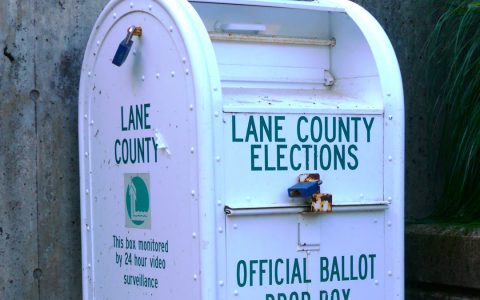
Hillsboro: Ballots Due by 8 p.m. Nov. 3; State Lists Five Drop Boxes and an Oct. 27 Mail Date
Ballots are due in a drop box by 8 p.m. Nov. 3. The state lists five Hillsboro boxes and Oct. 27 as…
Hillsboro: NW 273rd Avenue Rename Returns to Planners, Now Tied to Annexation
Planners weigh three street renames Oct. 28, led by NW 273rd Avenue, which the council set aside in 2025. The new plan…
Hillsboro: School Board to Weigh Pension Bonds and $14.5 Million Land Sale on Oct. 27
Hillsboro's school board is scheduled to consider pension bonds and a $14.5 million Cornelius land sale Oct. 27. Risk odds and how…
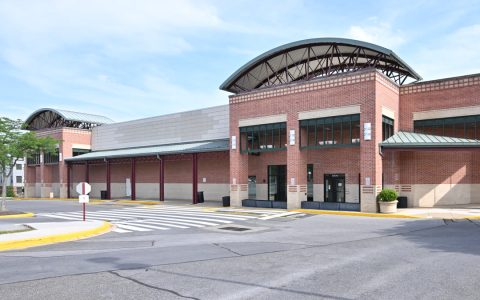
Hillsboro: City Planners Approve TJ Maxx Remodel of Rite Aid Space at Sunset Esplanade
City planners approved interior and facade work to turn the Rite Aid space at Sunset Esplanade into a 23,734-square-foot TJ Maxx.

Hillsboro: Arts Endowment Gives 16 Nonprofits $2,500 Each, More Than Double Last Year
The Hillsboro Arts & Culture Endowment is giving $2,500 each to 16 local arts nonprofits, $40,000 in all, up from $17,289 for…

Hillsboro: Halloween, Trick-or-Treat and Día de Muertos Events Through Nov. 1
Eleven Halloween and Día de Muertos events through Nov. 1, with times, prices, ages and sign-up status, rechecked Oct. 25.
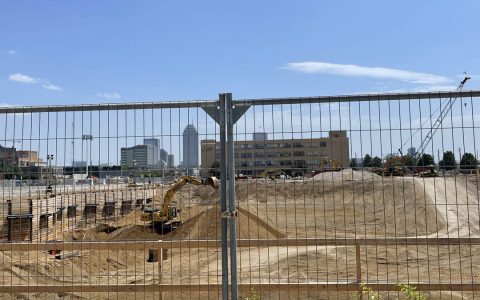
Hillsboro: Council Opens $1.5 Million More in Gain Share Money for Block 56 Campus
The Oct. 20 deal lets Hillsboro School District draw about $2.4 million in Gain Share money for the Block 56 health and…
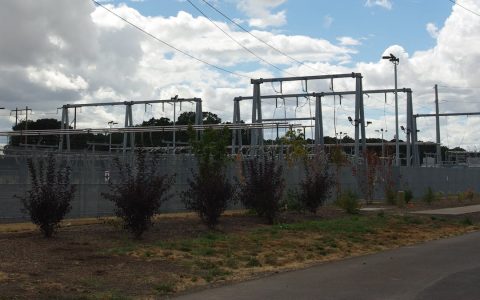
Hillsboro: Council Adopts Data Center Caps 6-0; Moratorium Extension Vote Expected Later
Hillsboro's council adopted data center limits 6-0 on Oct. 20. The rules start after a 30-day wait, and the city expects an…

Hillsboro: Airport Forum Set for Oct. 27 as Port’s Unleaded Fuel Deadline Nears
The Port of Portland's Hillsboro Airport forum is Oct. 27 at the Walters center. Here is where its unleaded fuel goal and…
Hillsboro: State Test Results Trail Oregon in Reading, Math and Science as Gap Widens
Hillsboro students slipped in reading and science and held level in math on 2025-26 state tests, while Oregon averages rose in all…

Hillsboro: E-Bikes, Scooters in 11 of 33 Crashes City Staff Wrote Up This Summer
City crash memos from June to September list 11 e-bike and scooter crashes out of 33. Parks staff are awaiting the City…

Hillsboro: Police HQ Block Could Hold About 149 Homes in 10th Avenue Plan Headed to Council
A preliminary concept shows about 149 homes on the police headquarters block. The council vote is on adding the Avenida Diez strategy…
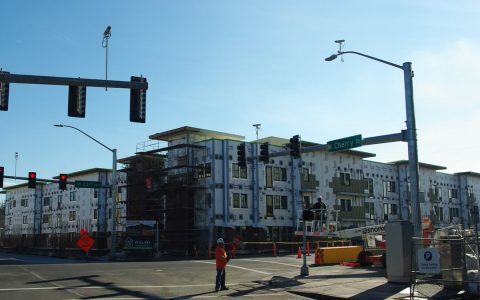
Hillsboro: State Reserves Up to $10.7M for 100 Apartments for Adults 55+ in Orenco Station
A state council reserved up to $10.7 million for Elevate Hillsboro, 100 affordable apartments for adults 55 and older planned in Orenco…

Hillsboro: Bus Platform, Bike Signals on TriMet’s List of Possible TV Highway Cuts
A Hillsboro station platform and Minter Bridge bike signals are on a TriMet staff list of possible TV Highway cuts. Advisers revisit…
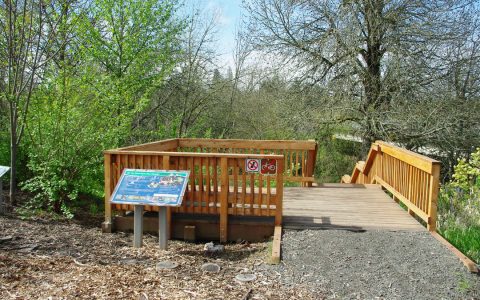
Hillsboro: Leak Shuts Regional Water Line at Jackson Bottom; Staff Say Fix Could Top $500,000
A leak has taken a 42-inch regional water pipeline offline at Jackson Bottom. Staff say no customers are cut off and the…

Hillsboro: Who Is Running for City Council in Wards 1, 2 and 3 on the Nov. 3 Ballot
Nine candidates are running for three Hillsboro City Council seats on the Nov. 3 ballot. Here is who filed in each ward…
Hillsboro, in five minutes
The week's local news in your inbox.
Decisions, documents and meetings from Hillsboro and Washington County, with every source linked.